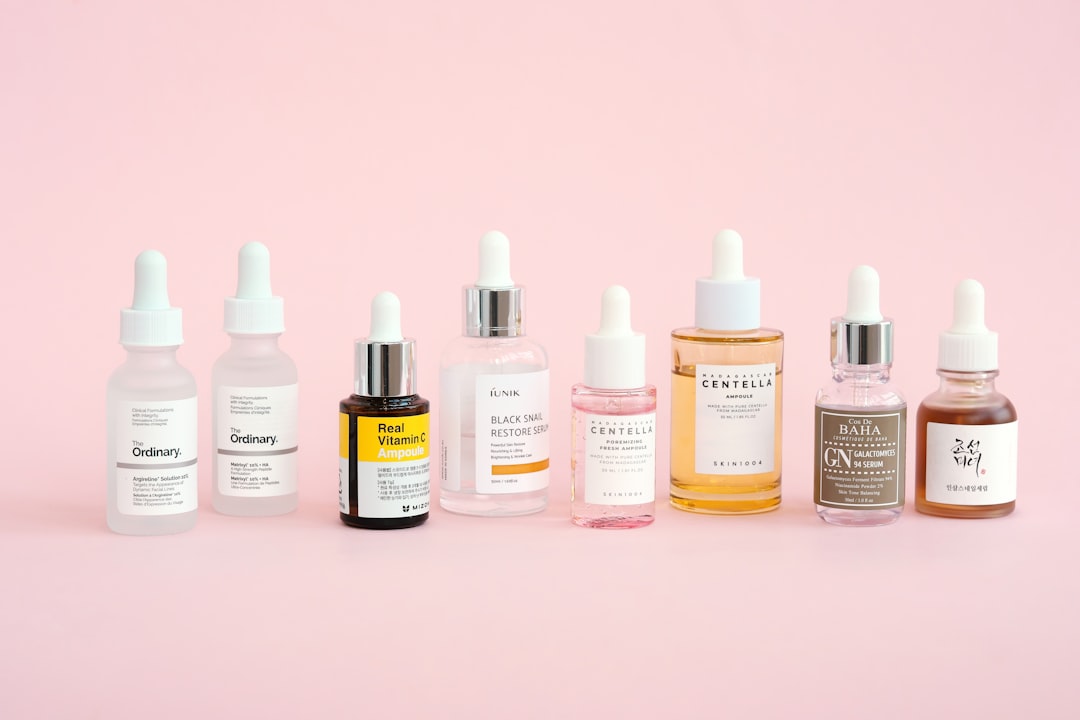
Picture this: you’ve just stepped back indoors after braving the Kuala Lumpur heat, your face sticky from the humidity that never quite lets up. You work through your entire routine — cleanser, toner, serum, moisturiser, and whatever else is lined up on your dresser — and yet your skin still feels off. Sensitive in patches, flushed in others, oily in one zone and tight in the next. If that sounds familiar, it might be time to rethink the foundation of your skincare approach entirely. And barrier cream might just be the answer you’ve been missing.
In Korea, the shift has already happened. According to the Spring 2026 trend report from Hwahae — Korea’s largest beauty review platform — barrier creams topped the bestseller charts for the very first time, overtaking vitamin C serums and brightening products that had long dominated the rankings. This isn’t a passing fad. It represents a genuine change in mindset: from “more is more” to “healthy skin first, everything else after.”
What Is the Skin Barrier, and Why Should You Care?
The skin barrier — your skin’s outermost protective layer — is essentially a natural shield that keeps out pollutants, bacteria, and environmental aggressors, while locking moisture in. It’s made up of skin cells held together by naturally occurring lipids: ceramides, cholesterol, and fatty acids. When this layer is compromised, skin becomes reactive, dry, itchy, and more prone to breakouts and redness.
For those of us living in Malaysia, the threats to our skin barrier come from all directions. Year-round UV exposure, the aggressively air-conditioned interiors of offices and shopping malls, the constant temperature shock between outdoors and indoors, and the overuse of active ingredients like AHAs, BHAs, and retinol without adequate recovery time — it all adds up. The result is skin that looks dull, feels perpetually irritated, and never quite finds its balance.
“Healthy skin doesn’t mean fair skin or wrinkle-free skin — it means skin that is strong, balanced, and capable of protecting itself.”
The Three Key Ingredients in Barrier Creams You Need to Know
Hwahae’s report highlights three ingredients that appeared most consistently across the Spring 2026 bestselling barrier creams: ceramide, panthenol, and madecassoside. Each plays a distinct role, and understanding the difference will go a long way in helping you choose a product that actually works for your skin.
Ceramide is a lipid that occurs naturally in human skin, acting like mortar between the individual skin cells. When ceramide levels drop — due to ageing, harsh weather, or the use of stripping products — the skin barrier starts to crack. Ceramide-containing formulas help replenish this “mortar,” leaving skin more hydrated and resilient. It’s particularly well-suited to dry, mature, or exfoliation-prone skin. For Malaysian women who wear the tudung, ceramide can also help address the itchiness and redness that sometimes develops from fabric friction throughout the day.
Panthenol — or pro-vitamin B5 — is a remarkably lightweight soothing and hydrating agent. It draws moisture into the deeper layers of the skin and accelerates cellular repair. Panthenol is ideal for sensitive skin or skin that’s recovering from treatments like laser or chemical peels. Crucially, it’s non-comedogenic, meaning it won’t clog your pores — a significant advantage in a hot, humid climate like ours.
Madecassoside is an active compound extracted from Centella Asiatica — yes, the very same pegaga plant long used in traditional Southeast Asian medicine. It’s a powerful anti-inflammatory, stimulates collagen production, and helps calm inflamed or acne-prone skin. What makes this particularly interesting for Malaysian readers is that this plant is not exotic to us at all — it grows wild along paddy fields and garden edges across the country. The global beauty industry is simply catching up to what traditional wisdom here has known for generations.
Ceramide vs Panthenol: Which One Is Right for You?
The most common question is: ceramide or panthenol? The honest answer is that it depends entirely on your skin’s current condition. If your skin feels dry, tight, and parched — especially after hours in an air-conditioned environment — ceramide is your best bet, as it directly replenishes the lipids your barrier has lost. On the other hand, if your skin is red, irritated, or recovering from a beauty treatment, the lighter, more calming nature of panthenol makes it the smarter starting point.
The good news is that you don’t have to choose — both ingredients can be used together, and many modern barrier creams combine them in a single formula. For Malaysia’s warm climate, opt for a gel or lightweight water-based lotion over a thick cream. You want something that absorbs cleanly without leaving that heavy, greasy finish that nobody needs in 32-degree weather.
Finding the Right Barrier Cream in Malaysia
For Malaysian readers ready to explore this category, there are a few practical things to consider. First and foremost, check whether the product holds halal certification or is at minimum free from prohibited ingredients such as porcine derivatives or alcohol in concerning concentrations. Several well-established K-Beauty brands fit the bill: COSRX (known for its Centella Water Alcohol-Free Toner and Snail Mucin range), Dr.Jart+ (the Cicapair Tiger Grass Cream with centella), and Klairs (the Fundamental Ampule Gel, beloved by sensitive skin types) are all widely available at Sephora Malaysia, Guardian, Watsons, and through verified sellers on Shopee and Lazada.
For more budget-conscious options, Althea Korea — which operates out of Malaysia — offers barrier creams formulated specifically with Southeast Asian climates in mind. Prices generally range from around RM35 to RM120 depending on brand and size, making it a worthwhile investment compared to constantly cycling through expensive multi-step routines that aren’t addressing the root issue.
How to Work Barrier Cream Into Your Daily Routine
A barrier cream isn’t a replacement for your regular moisturiser — think of it as a finishing layer that reinforces your skin’s defences after everything else has been applied. The recommended order is straightforward: a gentle cleanser, an alcohol-free toner, your serum if applicable, and then the barrier cream as the final step to seal it all in. At night, it works as a sleeping barrier that allows your skin to repair itself while you rest. During the day, go for a lighter formula that sits comfortably under sunscreen — because SPF remains non-negotiable, rain or shine, overcast skies included.
This K-Beauty trend carries a message that goes beyond just another product launch. It’s a reminder that the best skincare doesn’t begin with a complicated ten-step routine, but with a genuine understanding of what your skin actually needs. In a country where the heat and humidity put our skin under constant stress, perhaps the most radical thing we can do is protect first — and beautify after.