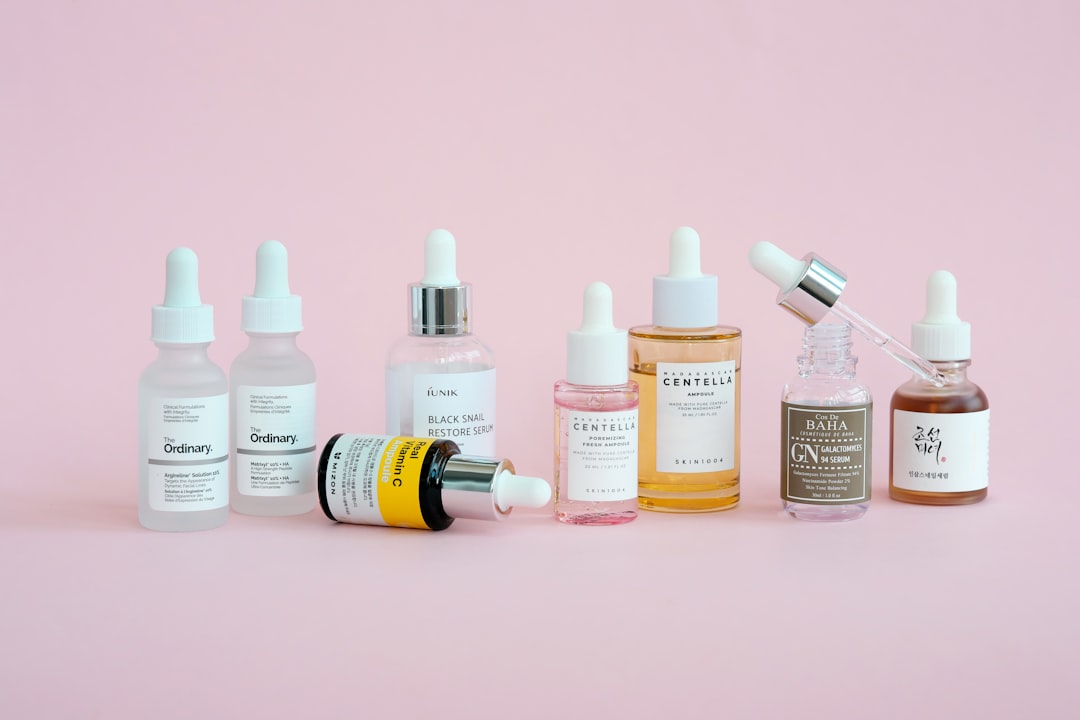
Picture yourself standing in front of the skincare aisle at a Myeongdong pharmacy. Hundreds of bottles, tubes, and ampoules lined up in neat rows — each one promising something more extraordinary than the last. Ten years ago, most of us would have reached for the prettiest packaging or the most recognisable brand name. But today’s K-beauty consumer? They arrive with a mental list of active ingredients, know exactly what they’re looking for, and won’t leave without reading the label thoroughly.
This is the new reality documented by Hwahae — Korea’s largest beauty review platform — in their annual trend report titled F.I.N.D for 2026. Backed by data analysis from over 12.5 million active users, this is no ordinary industry forecast. It’s a mirror held up to the evolving mindset of the modern beauty consumer — and for K-beauty enthusiasts in Malaysia, every single trend feels like it was written with us in mind too.
What Is F.I.N.D?
Hwahae didn’t choose the acronym F.I.N.D by accident. It captures four core pillars shaping the beauty landscape of 2026: Formula-driven (active ingredient-based skincare), Intentional Aging (approaching ageing with awareness and acceptance), Niche Influence (the rise of specialist creators), and Derma-led Skincare (a dermatology-inspired approach). None of these are passing trends that will fizzle out in a couple of months — they reflect a deeper shift in the way people see themselves and their relationship with skincare.
Active Ingredients Now Trump Brand Names
The first — and perhaps most visible — trend is the rise of the ingredient-first shopper. According to Hwahae’s data, user searches for specific actives like niacinamide, PDRN (Polydeoxyribonucleotide), and retinol have been climbing consistently. This signals a fundamental shift in how consumers ask questions. It’s no longer “what’s a good product?” — it’s “which product contains ingredient X at concentration Y?”
PDRN in particular is generating serious buzz. Originally used in clinical procedures, this ingredient is now making its way into everyday skincare products, recognised for its skin-recovery properties and ability to stimulate collagen production. For many Malaysian shoppers, PDRN might still sound unfamiliar — but if you’ve been active in skincare communities on TikTok or Reddit’s r/AsianBeauty, chances are you’ve already scrolled past it more than once.
“The beauty consumer of 2026 isn’t just buying products — they’re investing in active ingredients they understand and trust.”
For Malaysian readers looking to start this journey, the first step is straightforward: download an app like INCI Decoder or Hwahae itself (the latter is in Korean, but the visual interface is easy enough to navigate), and get into the habit of reading the ingredients list on every product. Niacinamide and retinol-based products are now readily available at Watsons, Guardian, and K-beauty retailers like Olive Young, which has opened in several major malls across the Klang Valley.
Retinal and the Revolution of Ageing With Intention
Perhaps the most striking finding in Hwahae’s report is the 500 percent surge in searches for retinal — a form of vitamin A that’s significantly more potent than standard retinol. That’s not just an impressive number; it’s a signal of meaningful cultural change. Retinal is a serious ingredient, one that demands a slow, patient introduction into any routine. The fact that so many users are actively seeking it out means one thing: the K-beauty generation is ready to level up.
But beyond the ingredient itself, the Intentional Aging trend carries a broader message — that ageing is no longer something to be fought at all costs, but something to be approached with strategy and self-awareness. Unlike the previous obsession with “ageless” skin or preserving a youthful appearance for as long as possible, the 2026 consumer appears far more comfortable with their age, while still wanting skin that is healthy, well-maintained, and functioning at its best. It’s a refreshing shift in values — and one that sits naturally alongside a more authentic approach to self-care.
For readers who are still getting acquainted with retinol (let alone retinal), the advice remains the same: start with a low concentration, use it at night only, and never skip SPF during the day. Retinol products from brands like Some By Mi, Anua, and Skin1004 — all widely available in Malaysia — make for a solid starting point before graduating to the more potent retinal formulas.
Micro-Creators Are Replacing Mega-Influencers
The third trend in the F.I.N.D report touches on something many of us have already begun to notice: the era of the mega-influencer — those with millions of followers and brand deals at every turn — is quietly fading. In its place, smaller but far more specialised voices are gaining ground. Hwahae reports that consumers now place greater trust in reviews from niche creators — individuals who may only have tens of thousands of followers, but are recognised authorities in specific areas like sensitive skin, tropical climate skincare, or managing adult acne.
This shift is particularly relevant for Malaysian consumers. For years, many of us have followed Korean influencers whose skin type, climate, and daily environment are worlds apart from ours. Korea’s weather is considerably drier and cooler than Malaysia’s year-round humidity — and most Korean creators simply aren’t factoring in the demands of skin exposed to intense tropical sun on a near-daily basis. Now, local creators and niche Korean voices focusing on oily or heat-stressed skin are earning a more meaningful seat at the table.
Derma-Led Skincare: Where Beauty Meets Science
The final pillar of F.I.N.D is Derma-led Skincare — products and routines inspired by or grounded in a dermatological approach. Brands that were once considered “pharmacy brands” or “too clinical” are now the first choice for consumers who want results without the fuss. In Korea, labels like Dr. Jart+, Round Lab, and Anua — all carrying that clean, minimal clinical aesthetic — continue to post strong growth.
The good news for Malaysian readers: virtually all of the key brands in this category are accessible through e-commerce platforms like Shopee and Lazada, or through official stockists at Sephora and K-beauty stores at Mid Valley, Pavilion, and Sunway Pyramid. With most core products sitting in the RM50 to RM150 range, the derma-led approach is far more accessible than clinical treatments — though of course, for more serious skin concerns, a proper consultation with a dermatologist always takes priority.
Hwahae’s F.I.N.D report is more than a shopping guide for Korean consumers — it’s a roadmap for anyone who believes that skincare is a long-term investment, not just a response to whatever’s trending this week. And in a world increasingly cluttered with conflicting information and outrageous product claims, there’s something genuinely encouraging about watching millions of consumers choose to be more informed, more patient, and more intentional in their beauty journey — a principle that never goes out of style, whether you’re in Seoul or right here in Malaysia.