Something is happening in the kitchens of Seoul — and it runs far deeper than whatever’s trending on TikTok this week. Picture this: a man in his early thirties sits before a beautifully assembled bowl of bibimbap, his chopsticks hovering over the perfectly intact yolk of a fried egg. He’s not scrolling his phone. He’s not waiting for friends. He’s simply eating. Completely present. Completely at peace.
This is the image that’s reshaping Korean food culture heading into 2026. Baedal Minjok — Korea’s largest food delivery app, roughly equivalent to our Grab Food — recently released its annual food trend report, and what they’ve uncovered isn’t just a shift in taste. It reflects something deeper: a generational change in how young Koreans relate to food, and what they’re asking it to do for them.
Honwelsik: The Meaningful Art of Eating Alone
The word honwelsik (혼웰식) is a deliberate fusion of three ideas: hon, meaning alone; wel, borrowed from wellness; and sik, meaning food or meal. It isn’t about eating solo because you have no other option — it’s a conscious choice to nourish yourself, physically and emotionally, through a single intentional, wholesome meal.
According to Baedal Minjok’s report, demand for nutritious single-serving meals has surged among young urban Koreans. They’re no longer willing to splurge on excessive fine dining, nor are they satisfied with instant noodles that leave them feeling empty. What they want sits somewhere in between — something genuinely good for the body, satisfying to eat, and enjoyable without needing anyone else at the table.
Eating alone is no longer a sign of loneliness. It’s a sign of someone who values themselves enough to show up fully — even when no one is watching.
For Malaysian readers, this concept might feel a little foreign at first. We were raised around full, noisy tables — makan is a communal event, loud and warm and full of life. But think about it honestly: how many evenings have you come home exhausted, caught between cooking something proper and just ordering the cheapest thing on the app? Honwelsik offers a third option — one we didn’t know we needed.
The Single Bowl Revival: Honest Food for a Complicated World
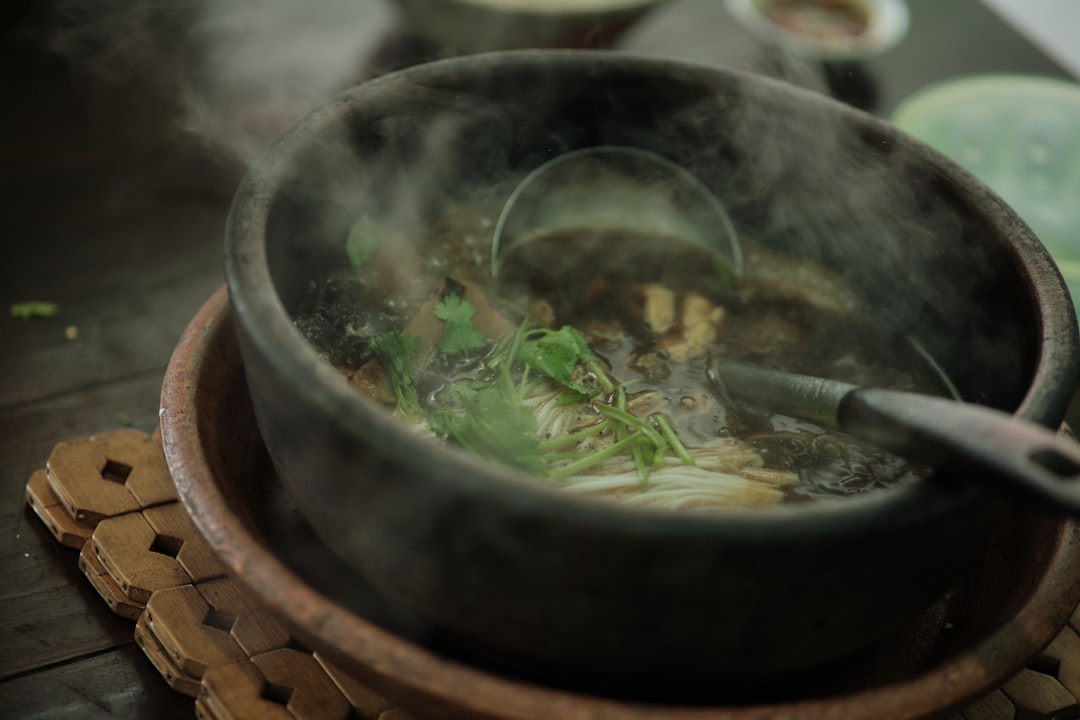
Running alongside honwelsik is a parallel trend the report calls the revival of han geureu — the single-bowl meal. This is hardly a new concept in Korean cuisine; bibimbap, juk (Korean porridge), and gukbap (rice in broth) have been staples for centuries. But the 2026 generation is rediscovering these dishes with fresh eyes, a modern sensibility, and a much sharper awareness of nutrition.
What makes this trend compelling is its emphasis on balance. An ideal single bowl brings together a protein source, complex carbohydrates, and either fermented or fresh vegetables — all in thoughtful proportion. In plain terms, it’s the Korean answer to the balanced meal that nutritionists around the world have been advocating for years.
Closer to home, we already have our own beautiful equivalents — nasi campur, the Korean-fusion rice bowls popping up around the Klang Valley, or even a well-loaded claypot rice. Halal Korean restaurants in Lalaport BBCC, Ampang, and Sunway Pyramid are increasingly offering more wholesome single-bowl options that align perfectly with this global shift. Look out for dolsot bibimbap prepared with beef or chicken — most halal Korean eateries in KL have already made this swap as standard.
The Sea Returns to the Table: Korea Rediscovers Seafood
One of the most striking findings in the Baedal Minjok report is the renewed enthusiasm for seafood — which is somewhat ironic, given that Korea is a peninsula surrounded by ocean on three sides. Young Koreans who grew up on chimaek (fried chicken with beer) and tteokbokki are now venturing back into the rich haemul (seafood) traditions of their grandparents’ kitchens.
Dishes like haemul pajeon (seafood pancake), ojingeo bokkeum (spicy stir-fried squid), and various preparations of hoe (raw seafood) are drawing a new generation of fans. From a health standpoint, the logic is solid: seafood is lean, protein-rich, packed with omega-3s, and loaded with essential minerals.
The good news for us in Malaysia? This is territory where we hold a natural advantage. Fresh seafood — prawns, squid, all manner of fish — is both abundant and affordable here. Keen to try haemul pajeon at home? Pajeon flour mix is available at most Korean supermarkets, including H-Mart at Mid Valley and KPop Mart. As for gochujang, most versions sold in Malaysia are alcohol-free — but do check the label carefully to confirm halal status before buying.
Food Tourism: When the Meal Becomes the Destination
The fourth dimension identified in the report is what Baedal Minjok calls misik ilsanghwa — roughly translated as “the mainstreaming of gastronomic experience in everyday life.” Put simply: Koreans are increasingly treating the act of eating itself as a destination, not merely a pitstop between activities.
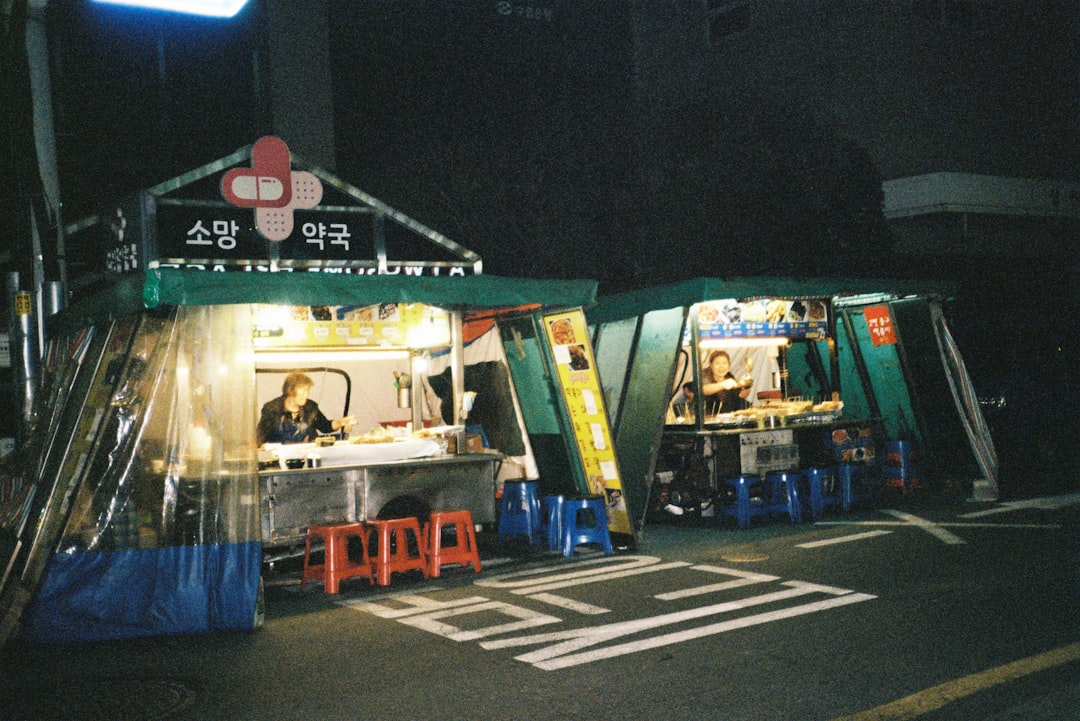
This feeds directly into the global explosion of Korean food tourism. Travellers from across Asia — including a significant number of Malaysians — are now planning Seoul trips not around shopping hauls or K-pop concerts alone, but around carefully curated lists of restaurants and food experiences. Places like Gwangjang Market, with its smoky stalls of haemul pajeon and bindaetteok, or Tongin Market where you assemble your own meal using old copper coins, have become must-visit attractions every bit as compelling as Gyeongbokgung Palace.
For Malaysian K-food fans planning a trip to Korea, there’s plenty of reason to feel optimistic. Direct flights from KLIA to Incheon are more competitive than ever, with return fares ranging roughly from RM1,200 to RM1,800 depending on the season. And contrary to what some might assume, Seoul is genuinely Muslim-friendly — the Itaewon area alone has a solid row of halal-certified restaurants, and apps like HalalTrip make planning a safe, satisfying food itinerary far more manageable.
So What Does This Mean for Us?
What’s most compelling about these trends is that none of them require a plane ticket to Seoul. The philosophy of honwelsik can be practised in your own kitchen tonight — choosing to put together one nourishing meal for yourself after a long day, rather than defaulting to yet another delivery order. The single-bowl revival can be adapted into halal versions richly spiced with the flavours of the Nusantara. And the spirit of food tourism can begin right here, by exploring the growing number of halal Korean restaurants across Malaysia’s major cities.
Korea in 2026 is quietly reminding the world that good food isn’t a privilege — it’s a right, and it’s a choice. One bowl of rice, one meal cooked with intention, one moment of actually sitting down and being present. In a world that never seems to slow down, perhaps this is the most peaceful revolution to ever emerge from the Korean Peninsula — and it’s already waiting at the end of your spoon.