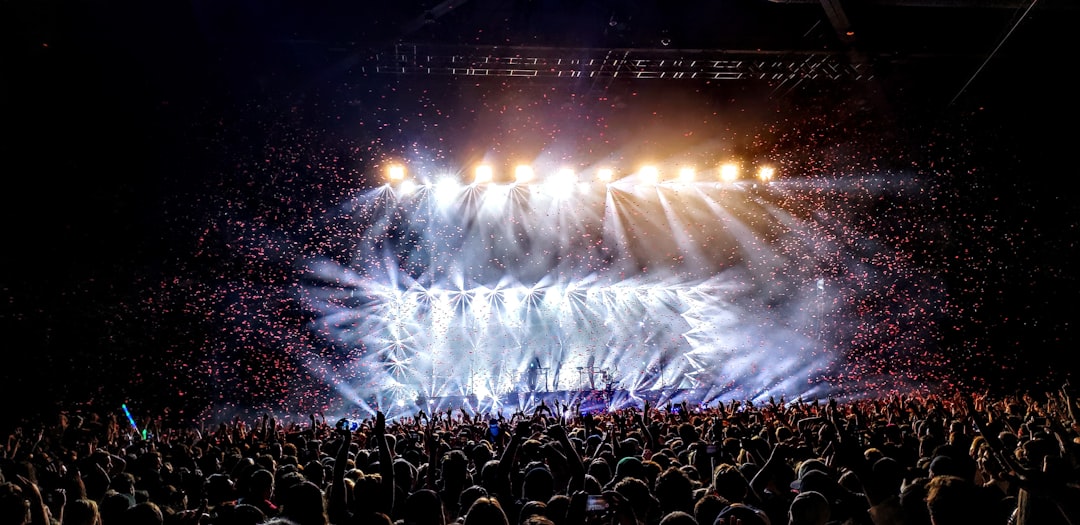
K-Pop in 2026 is moving fast, but one thing is becoming very clear: the traditional comeback showcase is no longer the only star of the promotional cycle. More and more agencies and artists are leaning toward fan concerts instead—and honestly, it is not hard to see why.
For years, comeback showcases were the standard launch format. A group would release a new album, perform a few songs for media and fans, answer some questions, and create a polished first impression. It worked well in an era when domestic press coverage and short promotional bursts carried huge weight. But today’s K-Pop landscape feels very different—more global, more fandom-driven, and much more focused on direct connection.
In 2026, fan concerts are starting to feel like the smarter, warmer, and more memorable option. They are bigger than a media showcase, more emotional than a press event, and often more rewarding for the fans who have waited months—or even years—for a comeback. If you have been wondering why this shift is happening, you are in the right place.
What Is the Difference Between a Comeback Showcase and a Fan Concert?
Before diving deeper, it helps to define the terms clearly.
A traditional comeback showcase is usually a one-off promotional event held around an album release. It often includes a title track performance, a short talk segment, a media Q&A, and maybe one or two B-side stages. The goal is simple: introduce the new era, generate headlines, and create initial buzz.
A fan concert, on the other hand, feels more like a hybrid event—part concert, part fan meeting, part celebration. According to 2026 event guides covering K-Pop concerts, fan meets, and fan concerts, this format is designed to combine live performances with interactive segments, games, talking moments, and fan-focused content. In other words, it is not just about launching music. It is about deepening the bond.
Think of a fan concert as the emotional middle ground between a full concert and a comeback press event—more intimate than a tour stop, but far more exciting than a standard showcase.
Why the Shift Feels So Strong in 2026
This year is packed with major returns. Industry previews and comeback trackers have already highlighted a busy calendar, with names like EXO, BLACKPINK, IVE, ENHYPEN, NCT WISH, and many others driving conversation across fandom spaces. Veteran acts are returning, younger groups are fighting for attention, and even anniversary projects are adding to the noise.
That sounds thrilling—and it is—but it also creates a problem. When everyone is coming back, the old-fashioned showcase can start to feel too brief, too formal, and too easy to forget.
Some fan discussions in 2026 have even pointed out that highly anticipated comebacks from legendary names did not always leave the giant cultural impact people expected. That does not mean the artists failed. It means the market is crowded, attention spans are fragmented, and one polished media event is no longer enough to dominate the conversation for long.
Fan concerts answer that problem beautifully. They create more content, more emotional moments, more fan engagement, and more reasons for people to keep talking after release day.
1. Fan Concerts Put Fandom at the Center
This is probably the biggest reason of all. K-Pop has always relied on fandom, but in 2026 fandom is not just part of the machine—it is the machine.
Album sales, streaming parties, voting, fan edits, fancams, hashtags, and global reaction culture all come from dedicated fans. Agencies know this. Artists know this too. So instead of building comeback promotions mainly around journalists and industry optics, many teams are now choosing formats that reward the people who actually sustain the comeback.
A fan concert says something very direct: this era begins with you.
That message matters. It feels personal, grateful, and emotionally intelligent. In a scene where loyalty is everything, that kind of approach can be incredibly powerful.
2. They Create Better Emotional Impact
A showcase can be sleek, but it is often short and tightly controlled. A fan concert has more room to breathe.
There can be opening VCRs, surprise unit stages, unreleased stories about the album, funny game corners, emotional ment segments, and encore-style interactions. These details may sound small, but together they create a much richer experience. Fans do not just hear the comeback—they feel it.
This matters even more in a year filled with reunions and long-awaited returns. When veteran groups come back after lineup changes, military service gaps, solo detours, or long hiatuses, fans want more than a title track stage. They want closure, celebration, nostalgia, and new memories all at once.
That is exactly where fan concerts shine. They are full of emotional texture—heartwarming, exciting, and often deeply meaningful for both artist and fandom.
3. Fan Concerts Generate More Shareable Content
In the social media era, a promotional event is no longer just an event. It is a content engine.
A standard showcase may produce a few official photos, a press article or two, and some performance clips. A fan concert, by contrast, can generate a flood of highly shareable moments:
- Live vocals clips that go viral on X, TikTok, and Instagram
- Funny member interactions that become memes
- Emotional speeches that spread across fandom communities
- Special stages that feel exclusive and memorable
- Fan projects and crowd reactions that add visual impact
This kind of content has a longer life online. It keeps the comeback circulating beyond release day and helps groups stay visible in a crowded cycle.
And in 2026, visibility is everything. With monthly comeback schedules packed from rookies to legends, agencies need promotional formats that do more than announce a song. They need formats that create a mini-event culture around the release.
4. They Feel More Worthwhile for Fans Paying Real Money
Another important factor is value. Fans today are spending a lot—on albums, memberships, merchandise, streaming subscriptions, light sticks, travel, and ticketing fees. Because of that, expectations have changed.
A traditional showcase can feel exciting, but if it is too short or too restricted, some fans may see it as a limited experience. A fan concert usually feels more substantial. There are more songs, more talking, more interaction, and more atmosphere. Simply put, it feels like an event.
That difference matters for both domestic and international fans. If someone is traveling to Seoul—or even flying from another country—for a comeback-related schedule, a fan concert offers a much more satisfying return on time and money.
Fans do not just want to witness a comeback in 2026. They want to be part of it.
5. The Global Nature of K-Pop Has Changed the Formula
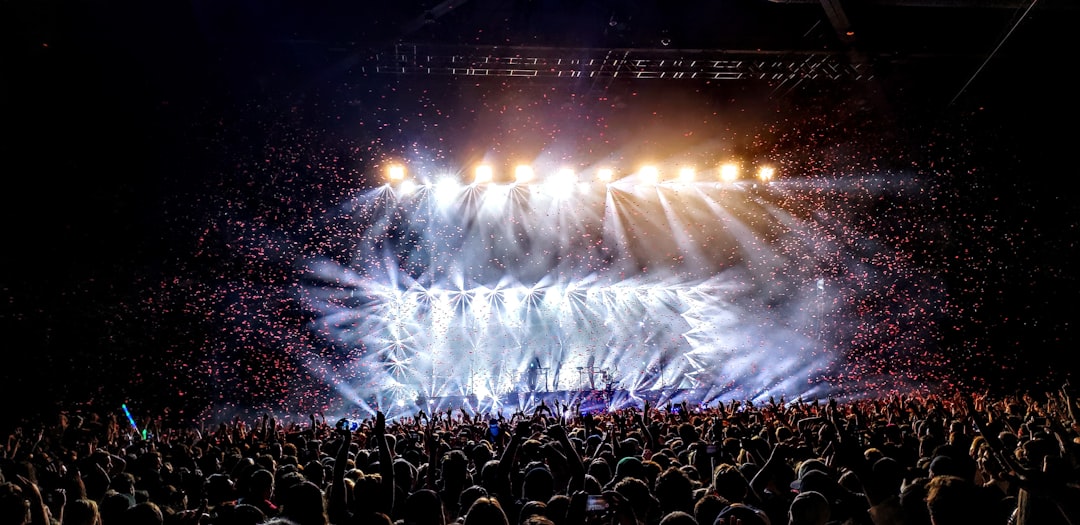
K-Pop is now a truly global entertainment force. That part is no longer surprising—it is simply reality.
When a group like BLACKPINK returns after years of solo activities and global touring, or when EXO balances comeback activity with international tour planning, the audience is not limited to one room of Korean media anymore. The comeback belongs to fans across Asia, Europe, the Americas, and beyond.
Fan concerts fit this global reality better because they are easier to package as multi-purpose events. They can be livestreamed, clipped for digital platforms, turned into paid online content, or expanded into tour-linked promotions. A showcase is often more static. A fan concert feels scalable.
This is especially useful for agencies trying to build simultaneous buzz in multiple markets. One well-produced fan concert can function as launch event, fan reward, content source, and global branding moment all at once. That is a very attractive formula.
6. Veteran Groups Need Celebration, Not Just Introduction
One of the most interesting things about 2026 is how many established names are active again. Industry reports and previews have highlighted major returns from legendary acts, anniversary releases, and long-awaited reunions. In that environment, the old showcase model can feel too small for the moment.
If a group has been around for 10, 15, or even 20 years, fans are not looking for a basic introduction to a new single. They are looking for a celebration of legacy.
That is why fan concerts make so much sense for older groups. They allow artists to perform new songs while also honoring the journey that brought them here. Setlists can mix fresh releases with beloved classics. Ment segments can reflect on the past. Fans can experience the comeback as part of a larger emotional story.
It is a gabungan sempurna antara nostalgia and forward momentum—and that combination is incredibly powerful.
7. Newer Groups Also Benefit from the Format
This trend is not only for legends. Rising groups can benefit too.
For rookies and younger acts, a fan concert helps build identity faster. Instead of appearing only as performers promoting a title track, they get to show personality, chemistry, humor, and live presence. That can be a huge advantage in a competitive field.
In 2026, debut and comeback calendars are already crowded with new names and sub-units. In such a packed environment, musical quality alone may not be enough to stand out immediately. Fans often connect first through charm, authenticity, and memorable interactions.
A fan concert gives groups more space to show exactly that. It can turn casual interest into genuine fandom much faster than a formal showcase ever could.
8. Fan Concerts Match the Current Mood of K-Pop Better
K-Pop in 2026 feels less like a simple release schedule and more like a constant stream of experiences. Fans do not just consume songs. They follow eras, aesthetics, behind-the-scenes narratives, challenge videos, livestreams, concept films, and fandom moments.
In that kind of ecosystem, the comeback itself has become more experiential. People want a launch that feels immersive, not just informative.
This is where the fan concert feels perfectly timed. It matches the current mood of K-Pop—interactive, emotionally expressive, visually memukau, and built for community. It turns a release into a shared happening.
That shared feeling is important. In a digital age where so much fandom happens online, physical and hybrid events that create collective excitement feel even more magical.
Are Traditional Comeback Showcases Disappearing Completely?
Not necessarily. Traditional showcases still have value, especially for media access, first-stage coverage, and efficient promotion. They remain useful for soloists, smaller agencies, and artists who want a straightforward rollout.
But what is changing is their status. They are no longer the automatic gold standard.
In many cases, showcases are becoming just one tool among many, while fan concerts are emerging as the more impactful centerpiece. Some agencies may even blend the two—holding a media-friendly presentation while designing the larger event around fan participation and performance.
That hybrid future feels very likely. K-Pop has always been good at adapting, and this shift looks less like a rejection of showcases and more like an upgrade.
What This Means for Fans in 2026
For fans, this trend is mostly good news. It means more immersive comeback events, more meaningful artist interaction, and more chances to experience a new era in a way that feels exciting rather than transactional.
It also means that comeback season may feel more like concert season—especially for groups with strong fandom power. Instead of a short launch event followed by weeks of standard promotion, fans may get a fuller opening chapter packed with performances, stories, and unforgettable moments.
Of course, ticket access and pricing will remain major concerns. Fan concerts can create high demand, and not every fan will be able to attend in person. That is why livestream options, replay content, and fairer access systems will matter more than ever.
Still, the overall direction is clear. The industry is responding to what fans value most: connection, experience, and a sense of being truly seen.
Final Thoughts
So, why are K-Pop fan concerts replacing traditional comeback showcases in 2026? Because they fit the moment better.
They are warmer, bigger, more flexible, and more memorable. They center fandom, create stronger emotional impact, generate better digital buzz, and give both veteran and rising artists a more dynamic way to launch a new era. In a crowded market where attention disappears quickly, fan concerts offer something much more powerful than exposure alone—they offer connection.
And in K-Pop, connection has always been the real superpower.
If 2026 has proven anything so far, it is this: fans no longer want to stand outside the comeback looking in. They want to be inside the moment, singing along, laughing, crying, and making memories with the artists they love. Fan concerts make that possible—and that is exactly why they are becoming the new standard.