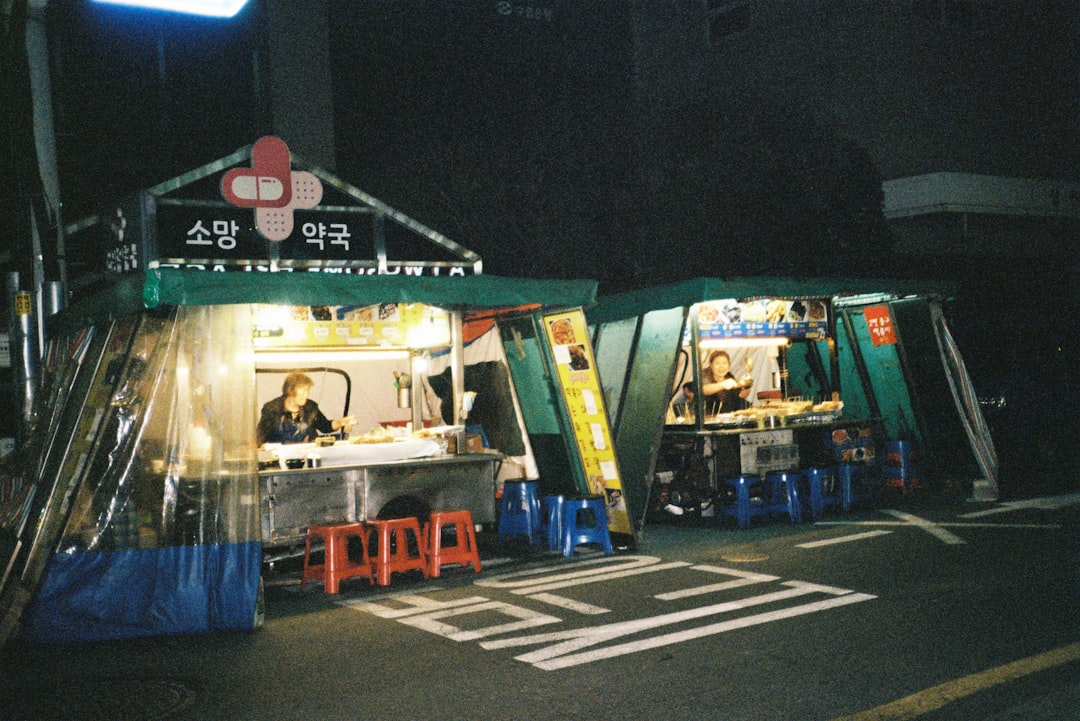
Picture this: you’re up at the crack of dawn in a Myeongdong hotel room — not because Gyeongbokgung opens early, not because there’s a K-pop concert tonight — but because your reservation at a 60-year-old tteokbokki stall tucked into a narrow alley of Gwangjang Market is only available at 7am, and missing it simply isn’t an option. This is the reality of Korean food tourism in 2026. It’s no longer a side dish to the travel experience. It is the experience.
For years, South Korea sold itself to the world through K-dramas, K-pop, and the promise of glass-like skin. But something has shifted. A report from Story-W, a Korean cultural analysis and marketing platform, reveals that in 2026, food has overtaken entertainment as the primary motivation for tourists choosing Korea as their destination. This isn’t just a travel statistic — it’s a significant cultural signal.
From Screen to Skillet: How K-Drama Planted the Seed and Food Reaped the Harvest
Nothing happens in a vacuum. The global surge of interest in Korean food didn’t materialise out of thin air — it’s the result of years of subtle, consistent cultural exposure. Every time a K-drama character slurped a bowl of ramyeon at midnight, every time a samgyeopsal gathering was framed as the ultimate symbol of friendship and warmth, every time a K-pop idol went live with a mukbang on YouTube — all of it planted seeds of curiosity in the hearts of global audiences, including millions of Malaysian fans.
What’s remarkable is how quickly that curiosity transformed from “I’d love to try that” into “I’m booking a flight to Korea specifically to eat.” Korea’s tourism industry recognised the opportunity and began crafting far more intentional experiences — not just curated restaurant lists, but rich narratives around ingredient origins, culinary traditions, and the deep relationship between food and Korean identity.
Korean food isn’t just about flavour — it’s about how Koreans understand themselves. When you sit down at a Korean table, you’re participating in something far greater than the meal itself.
Anatomy of a K-Food Tour: Far More Than Just Eating Your Way Around Town
Modern Korean food tours are carefully engineered experiences. At Seoul’s historic Gwangjang Market, visitors don’t simply show up for bindaetteok or mayak gimbap — they come to understand why this market has endured since 1905, and how its heritage vendors have fiercely guarded generations-old recipes in an age of instant everything. In Jeonju, widely regarded as the culinary capital of Korea, the gastronomic experience is built around bibimbap not merely as a dish, but as a philosophy of balance — varied colours, contrasting flavours, different textures, all harmonising in a single bowl.
Premium food tours go even deeper. Kimchi-making classes held in traditional hanok homes, visits to gochugaru farms in the countryside, or a long lunch with a grandmother who has been running her family restaurant for three generations — these become the kind of experiences that no Korean restaurant abroad, however authentic, can replicate. This is what Korea is selling in 2026: a genuinely irreplaceable authenticity that cannot be packed into your luggage and brought home.
Fine Dining, Korean Style: When Grandmother’s Cooking Earns a Michelin Star
One of the most striking developments in the Korean culinary world is the rise of fine dining rooted in traditional Korean cuisine — known as hansik. Seoul’s top restaurants are no longer merely chasing spots in the Michelin Guide; they are leading a global conversation about what it truly means to cook with reverence for ingredients and history.
This elevated approach to hansik takes diners through a slow, deeply contemplative meal — worlds apart from the buzz and bustle of a night market. And yet both the street stall and the fine dining table tell the same story: Korean food is the product of land, season, and memory. For Malaysian travellers keen to explore this scene, it’s worth noting that many of Seoul’s fine dining restaurants can now accommodate ingredient requests upon prior notice, though formal halal certification remains limited — something that requires careful planning well before you board your flight.
The Malaysian Traveller’s Practical Guide to Planning a Food Trip to Korea
For Malaysian readers inspired to make food the centrepiece of their next Korea trip, there are a few things worth getting right from the start. On the logistics front, direct flights from KLIA to Seoul Incheon are now offered by several carriers including Malaysia Airlines and AirAsia X, with promotional fares occasionally starting from around RM900 to RM1,400 return. At roughly 6.5 hours in the air, Seoul is an entirely manageable destination for a week-long holiday.
On the halal front, Korea has made encouraging strides. Areas like Itaewon in Seoul have a high concentration of halal-certified restaurants, and apps like HalalTrip and Muslim Pro now map out Muslim-friendly dining spots across the city with reasonable accuracy. Korea’s Muslim community is also active in sharing up-to-date recommendations through online forums — an invaluable resource for Malaysian Muslim travellers. For dishes like tteokbokki or kimbap that are essentially pork-free at their core, it’s still worth asking about the broths and sauces used, as certain ingredients may not be immediately obvious from the menu.
Building an itinerary around food also means embracing a certain degree of flexibility in your schedule. Popular Seoul restaurants often require reservations well in advance — sometimes up to three months ahead for Michelin-starred spots. Markets like Gwangjang are best visited in the morning or early afternoon to avoid the thickest crowds, while a trip to Jeonju for a proper bibimbap experience is best treated as an overnight stay of at least two nights, rather than a rushed day trip from Seoul.
When Korea Comes to You: Satisfying the Craving Before You Even Board the Plane
For those not quite ready to book flights, Malaysia already offers a surprisingly solid runway for exploring Korean food. Areas like Ampang Point in Kuala Lumpur, the Korean enclave around Solaris Mont Kiara, and Jalan Bukit Bintang are home to a growing number of Korean restaurants run by Koreans themselves. Some even carry JAKIM halal certification, giving Malaysian Muslim diners a genuinely close approximation of the real thing. Over in Penang and Johor Bahru, expanding Korean communities have brought with them a scatter of eateries and grocery stores stocking authentic ingredients — from doenjang to dried perilla leaves.
Korean food tourism is no longer a future trend — it is the defining travel reality of 2026, actively reshaping how millions of people, Malaysians included, choose their next destination. As the world grows increasingly aware that the dining table is the most honest window into a culture’s soul, Korea has firmly established itself not just as an entertainment destination, but as a place where every single dish carries a story. And that story — much like a steaming bowl of doenjang jjigae on a crisp Seoul evening — has a way of staying with you long after the journey ends.