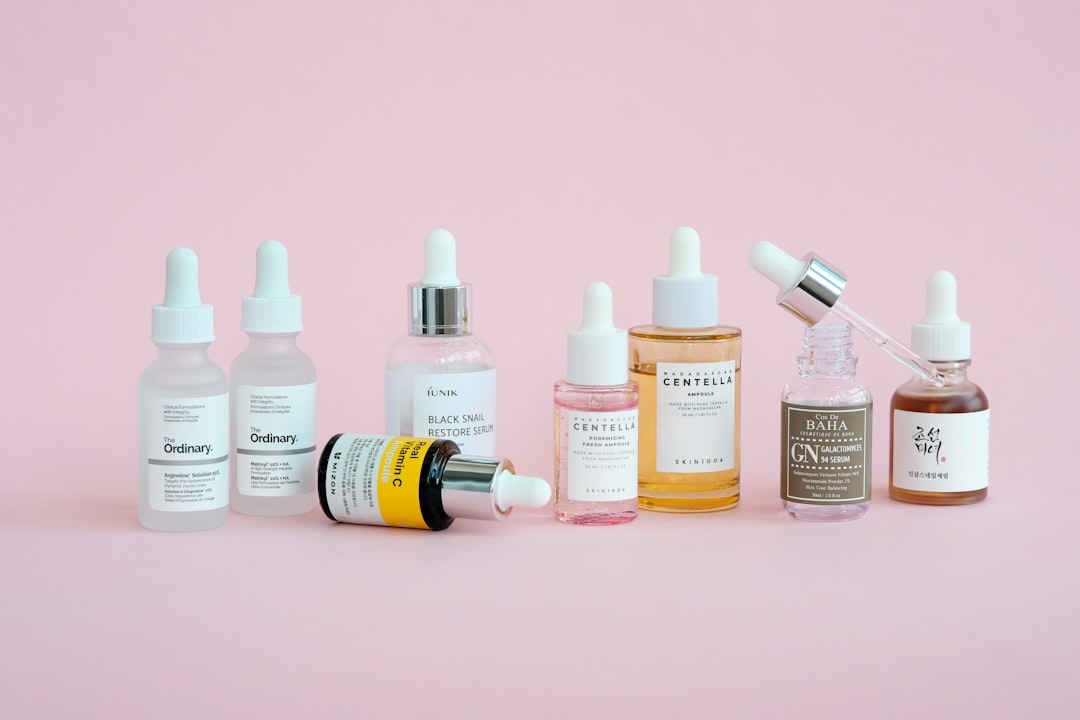
It’s a debate that keeps coming up — at skincare counters, in WhatsApp group chats with the girls, and in the comments section of every Malaysian beauty TikTok: collagen or peptides? For years, collagen has been the easy answer — the miracle ingredient promised to restore skin elasticity and slow the visible signs of ageing. But the latest data coming out of the K-beauty industry itself is now challenging that long-held loyalty.
According to Hwahae’s Global K-Beauty Trends Report for February 2026 — published by South Korea’s largest beauty review platform, which counts millions of active users — silk peptide has officially overtaken collagen as the number-one searched anti-ageing term, particularly among consumers in the United States and the Middle East. This isn’t a fleeting social media moment. It reflects a genuinely maturing consumer base that is increasingly curious about how active ingredients actually work at a cellular level.
Why Silk Peptide, and Why Now?
To understand silk peptide’s rise, it helps to first understand collagen’s limitations. Many of us don’t realise that the collagen molecules found in a typical serum or cream are actually far too large to penetrate the dermis effectively when applied topically. That satisfying “plump and smooth” feeling we get right after using a collagen product? It’s largely a surface effect — the ingredient is sitting on top of the skin rather than working within it.
Silk peptide — extracted from the sericin and fibroin proteins of natural silk — comes in significantly smaller molecular structures. This allows it to penetrate deeper into the skin and interact directly with dermal cells to stimulate the body’s own collagen production from within. In other words, silk peptide doesn’t just fill in the surface of your skin; it encourages your skin to repair and renew itself naturally.
Silk peptide doesn’t just treat the surface — it teaches the skin to restore itself from within, making it one of the most relevant active ingredients in next-generation skincare.
Korean brands were quick to catch the wave. Armed with real consumer data from platforms like Hwahae, they began reformulating their anti-ageing lines with a more clinical approach — high-concentration serums with silk peptide levels comparable to professional treatments, but in formats designed for everyday home use. The term “botox-inspired peptide” has also begun emerging as its own product category, referring to peptides that work to relax micro-muscle tension beneath the skin to temporarily soften fine lines.
High-Efficacy Minimalism: Fewer Steps, Better Results
Alongside the silk peptide surge, the Hwahae report highlights another trend that many of us will welcome with open arms: the shift away from elaborate multi-step routines towards high-efficacy minimalism. The “10-step K-beauty routine” that dominated conversations in the mid-2010s is steadily giving way to a more strategic approach — fewer products, but with denser, more targeted formulations.
For those of us living in a tropical climate like Malaysia, this is genuinely good news. Our skin already contends daily with high humidity, perspiration, and year-round sun exposure. Layering too many products can lead to clogged pores, breakouts, and that uncomfortable heavy feeling that no one wants in 32-degree heat. A single well-formulated silk peptide serum — paired with a lightweight moisturiser and a good sunscreen — is increasingly regarded as the smarter, more climate-compatible approach to anti-ageing skincare.
What to Look for in a Korean Silk Peptide Product
Not all silk peptide products are created equal, so it pays to know what you’re looking for. First, check the INCI ingredient list for terms like Hydrolyzed Silk, Silk Amino Acids, or Sericin — these are the markers of genuine silk peptide content in a formulation. Second, note where these ingredients appear in the list; the higher up they are, the greater the concentration in the product.
For Malaysian shoppers, halal compliance is an important consideration that shouldn’t be overlooked. Silk peptide derived from silkworm cocoons is a natural ingredient and does not involve prohibited animal derivatives — however, it’s worth verifying that the overall formulation, including preservatives and other solvents, is free from unsuitable alcohols or any questionable components. Korean brands such as Anua, Cosrx, and several labels under the Amorepacific umbrella have a relatively transparent track record when it comes to ingredient disclosure, making it easier to do your due diligence before purchasing.
These products are increasingly accessible in Malaysia through local e-commerce platforms like Shopee and Lazada, as well as dedicated K-beauty stores at Sunway Pyramid, Mid Valley Megamall, and select boutiques at Pavilion KL. Expect to pay between RM80 to RM200 for a quality Korean silk peptide serum, depending on the brand and formulation strength.
A K-Beauty Perspective for Tropical Skin
While this trend has been gaining momentum in Western and Middle Eastern markets, its relevance to Malaysian consumers is just as significant. Premature ageing caused by UV exposure and oxidative stress is one of the top concerns among local skincare users — particularly those in their late twenties and beyond. Silk peptide offers a more scientifically grounded response to these concerns compared to the surface-level promises of topical collagen that many of us may have come to quietly doubt.
What’s also noteworthy is that silk peptide is generally well-suited to a wide range of skin types, including sensitive skin — making it an inclusive option for Malaysia’s wonderfully diverse skincare community. Unlike retinol or AHAs, which require a careful introduction period and can trigger irritation, silk peptide is known for its gentle tolerance profile without sacrificing efficacy.
The Future of Skincare: Science Over Hype
What stands out most from the Hwahae report isn’t just the name of the ingredient on the rise — it’s the broader shift in how consumers globally, including Malaysians, are now approaching skincare. We want to understand why something works, not just take a marketing claim at face value. We want the science, not just the story. And K-beauty, with its robust ecosystem of research and genuine user reviews, is leading that conversation.
If you’ve been loyal to your collagen products for years, there’s no need to toss them out overnight. But perhaps it’s time to give silk peptide a fair shot — not because it’s the ingredient of the moment, but because the science behind it gives you genuinely solid reasons to do so.