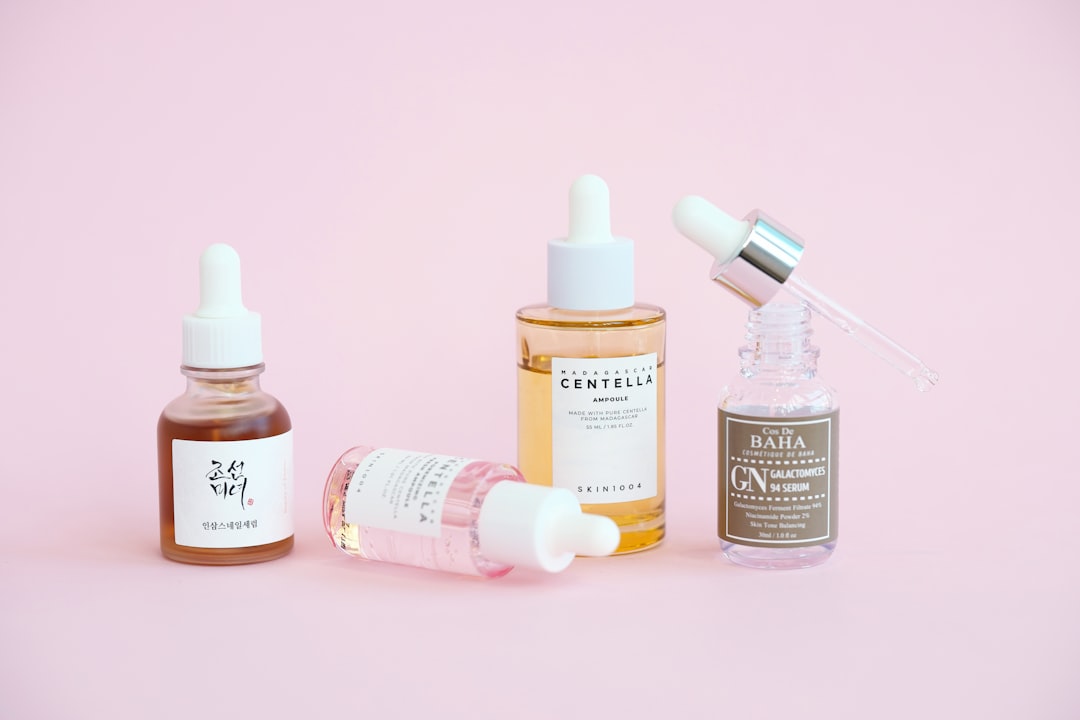
Picture yourself standing in front of the K-beauty wall at Sephora Mid Valley or AEON Beauty, surrounded by hundreds of products each promising to transform your skin. For years, we made our choices based on familiar brand names, the celebrity fronting the campaign, or simply whichever bottle had the most Instagram-worthy packaging. But something is shifting — in Korea and here at home. Today’s consumers are asking sharper questions: What’s actually in this product? Is there real science behind it?
Hwahae, Korea’s largest beauty data platform — which tracks the reviews and purchasing habits of millions of users daily — recently published its trend report for 2026. What they found goes well beyond a list of popular ingredients. It’s a portrait of K-beauty consumers pivoting away from brand loyalty toward something more demanding: ingredient literacy. The three major movements they’ve identified carry direct implications for anyone serious about their skincare routine, including those of you reading this from Kuala Lumpur, Penang, or Johor Bahru.
Hyper-Sensory Haircare: When Menthol Becomes Therapy
The first trend might surprise anyone who associates menthol purely with muscle rubs or headache remedies. In Korea, sensation-driven haircare — what Hwahae labels hyper-sensory haircare — is making a serious comeback. These products are designed not merely to cleanse or nourish, but to deliver a powerful sensory experience: a cooling rush that penetrates the scalp, a lasting freshness, and a sensation that feels almost genuinely therapeutic.
This trend could not be more relevant for our climate. Anyone living in Malaysia knows the very particular misery of a sweaty scalp under the afternoon sun, or after a full day in a tudung. Hyper-sensory products formulated with menthol or peppermint extract offer immediate, satisfying relief that elevates the humble hair wash into something you actually look forward to. Korean brands are already rolling out lines that pair menthol-forward formulas with strengthening actives like biotin and peptides — making these products more than a sensory indulgence, but a genuinely functional part of your haircare routine.
“K-beauty consumers in 2026 are no longer satisfied with products that simply smell good. They want to feel it working — quite literally.”
Exosomes and the Rise of High-Performance Minimalism
The second trend is the most scientifically sophisticated of the three, and it reflects just how far the average K-beauty consumer has come. Hwahae recorded a sharp spike in searches and purchases for exosome-based products — nano-sized particles originally developed for medical research that are now breaking into mainstream skincare. Exosomes work differently from conventional actives: rather than sitting on the skin’s surface, they facilitate communication between skin cells, supporting the skin’s own natural renewal processes from within.
What makes this even more interesting is the context in which exosomes are being introduced — not in products stuffed with thirty-ingredient laundry lists, but in lean, focused formulas that the industry is calling high-performance minimalism. This is a direct response to the overcrowded-ingredient era of a few years ago. Consumers have caught on to the fact that more ingredients don’t automatically mean better results — in fact, they can cause irritation and sensitivity. Instead, shoppers are gravitating toward products with fewer, cleaner ingredient lists where every single component has been clinically tested and proven to do its job. A well-formulated exosome serum might contain only five to seven ingredients — but each one carries its full scientific weight.
For Malaysian consumers, this is genuinely good news. Our tropical skin faces a particular cocktail of stressors — intense UV exposure, humidity, and a higher risk of bacterial overgrowth — and cleaner formulas that are easier for sensitive skin to tolerate are long overdue. When browsing the latest K-beauty arrivals, look for exosome, exosome complex, or plant-derived exosomes on the label. These are the terms to know.
Hypochlorous Acid: The Ingredient That Surged 707% — And Why It Matters
Of all the findings in Hwahae’s report, one number stands out above the rest: searches for hypochlorous acid (HOCl) increased by 707% on their platform. Seven hundred and seven percent. This isn’t the kind of organic growth you see with a trending hashtag — it signals that an ingredient once known only among medical professionals is entering mainstream consumer consciousness at a remarkable speed.
HOCl is not a new discovery from a scientific standpoint. It’s a compound naturally produced by the human immune system to fight off pathogens. In the context of skincare, it’s gained traction in soothing beauty products thanks to its anti-inflammatory, antimicrobial properties — and crucially, its extraordinary gentleness. It is, in fact, milder than many conventional cleansing agents. This makes it particularly well-suited for skin that flushes easily, is acne-prone, or is in recovery after procedures like laser treatments or microneedling.
Hwahae categorises this under the umbrella of trust-based soothing beauty — the idea that consumers no longer want to be won over by emotional marketing or aspirational imagery. They want ingredients that hold up to scientific scrutiny, that have been validated in clinical settings, and that deliver results they can actually feel. HOCl ticks all three boxes.
What This Means for K-Beauty Fans in Malaysia
These trends arrive at precisely the right moment for the Malaysian market. Over the past few years, local K-beauty enthusiasts have grown noticeably more sophisticated — moving beyond influencer recommendations toward ingredient deep-dives, joining communities like r/AsianBeauty on Reddit or local skincare Facebook groups, and approaching their purchases with the kind of research-minded rigour that was once the preserve of dermatologists. The understanding that science, not brand prestige, should drive buying decisions is very much alive here too.
For Muslim consumers in Malaysia, there’s reassuring news: the 2026 trends are largely centred on synthetic or plant-derived ingredients that don’t involve animal-derived sources requiring additional halal verification. HOCl, for instance, can be produced electrochemically without any problematic components. That said, as always, it’s worth checking for halal certification on individual products — particularly where exosomes are concerned, since some are sourced from animal origins. Brands like Skin1004, Anua, and select lines from the ever-popular Cosrx are already exploring these science-forward formulations, with many having obtained or currently pursuing halal certification for the Southeast Asian market.
The Future of K-Beauty: Less Hype, More Science
Hwahae’s 2026 report sends a clear message: the era of K-beauty built on adorable packaging and celebrity faces is drawing to a close — at least for the increasingly discerning segment of consumers leading the charge. What’s taking its place is a generation of products confident enough to stand on the strength of their ingredients and real efficacy data. If you’ve ever felt overwhelmed by the sheer volume of options on the market, this should come as a relief. Keep your focus on three questions: Does it contain an active sensory ingredient for your scalp? Is the facial formula minimalist but high-performance? Does it feature a clinically validated soothing active like HOCl? If the answer is yes, there’s a good chance you’re holding the future of K-beauty in your hands.